Grid Revenue

Via Battery Energy Storage Systems (BESS)

Grid Revenue

Via Battery Energy Storage Systems (BESS)

Grid Revenue

Via Battery Energy Storage Systems (BESS)

Turn Battery Storage into a Reliable Revenue Stream

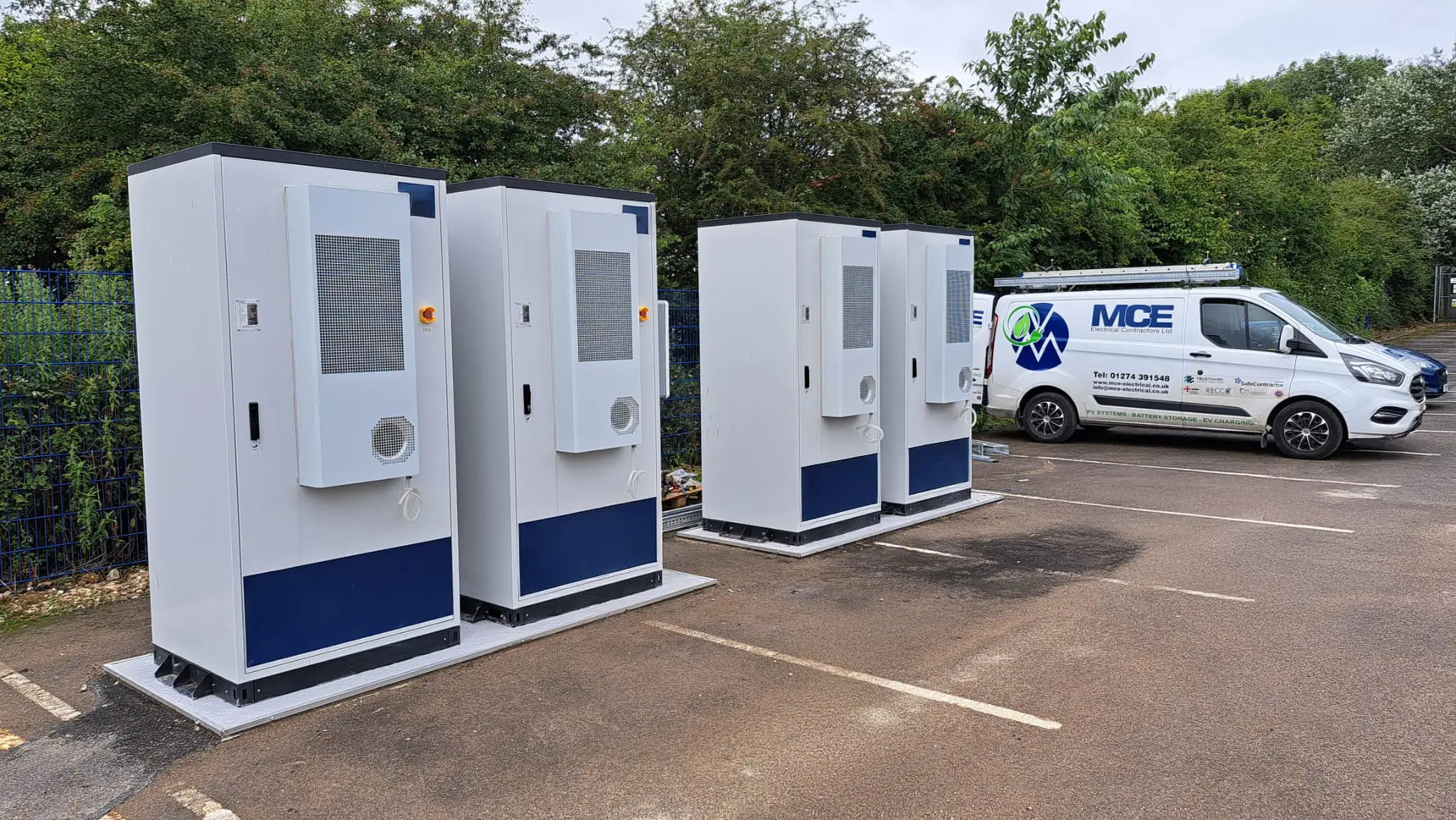
Battery Energy Storage Systems (BESS) are becoming a key asset for organisations looking to unlock new revenue streams while supporting a more flexible and resilient electricity network.

At MCE Electrical, we support the delivery of BESS projects that enable site owners, developers and investors to participate in grid revenue markets with confidence.

Grid Revenue

What is Grid Revenue?

What is Grid Revenue?

Grid revenue refers to income generated by allowing a battery system to interact with the national electricity network. By charging and discharging at the right times, a BESS can provide valuable services to the grid, helping to balance supply and demand, stabilise frequency, and manage peak loads.

These services are financially rewarded through a range of established and emerging revenue mechanisms.
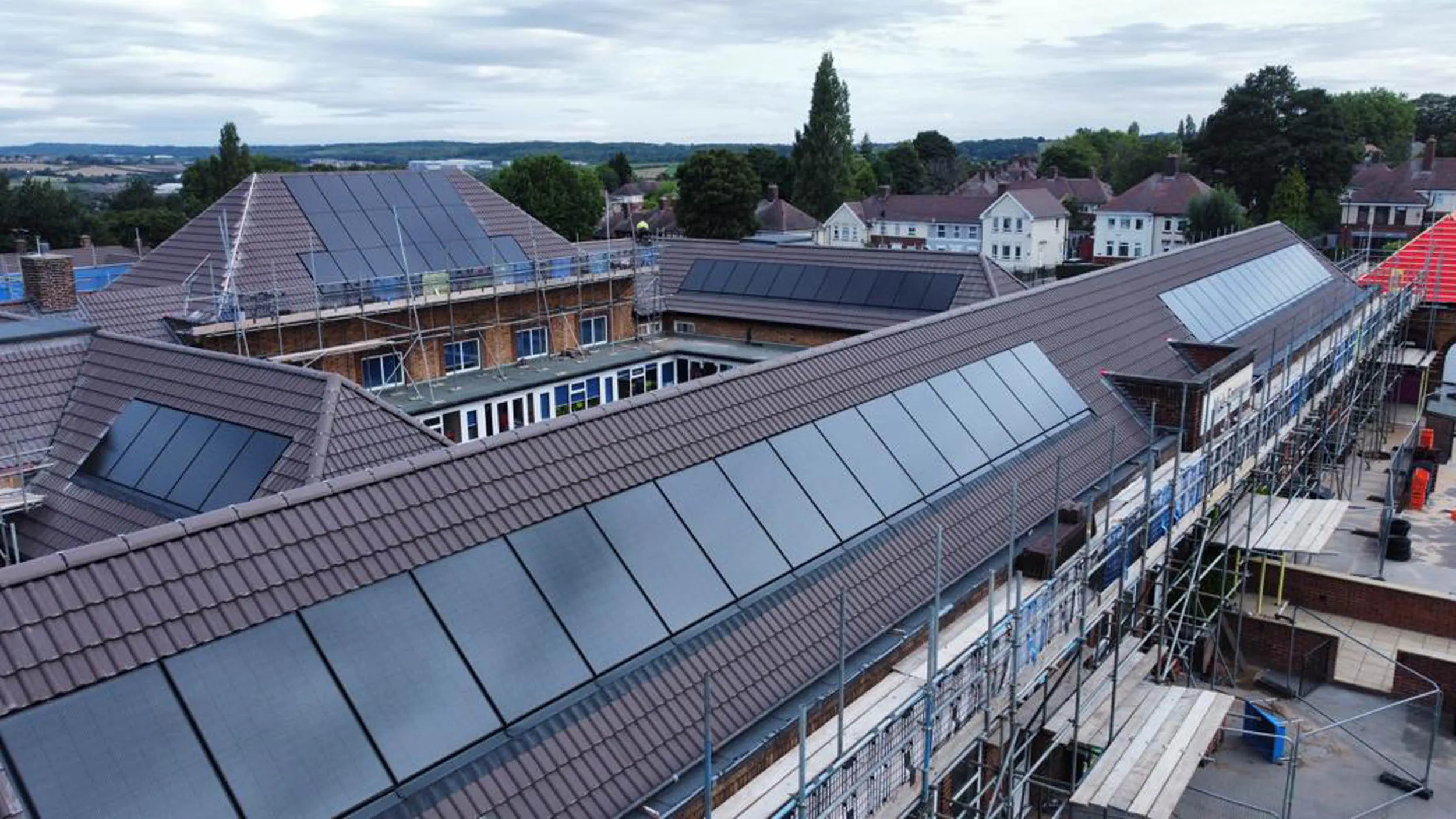
A worker in a high-visibility vest and hard hat installs solar panels on a large flat rooftop under a cloudy sky, with scaffolding visible in the background.

Grid Revenue

Key Revenue Streams

A battery energy storage system (BESS) can typically access one or more of the following:
Frequency Response – Rapid response services that help keep the grid frequency within safe limits.

Frequency Response – Rapid response services that help keep the grid frequency within safe limits.

Frequency Response – Rapid response services that help keep the grid frequency within safe limits.

Balancing Mechanism & Ancillary Services – Supporting National Grid during periods of imbalance.

Balancing Mechanism & Ancillary Services – Supporting National Grid during periods of imbalance.

Balancing Mechanism & Ancillary Services – Supporting National Grid during periods of imbalance.

Energy Arbitrage – Charging when electricity prices are low and discharging when prices are high.

Energy Arbitrage – Charging when electricity prices are low and discharging when prices are high.

Energy Arbitrage – Charging when electricity prices are low and discharging when prices are high.

Capacity Market – Being paid for being available to support the grid during periods of system stress.

Capacity Market – Being paid for being available to support the grid during periods of system stress.

Capacity Market – Being paid for being available to support the grid during periods of system stress.

Private Wire & Site Optimisation – Reducing import costs and improving on-site energy resilience.

Private Wire & Site Optimisation – Reducing import costs and improving on-site energy resilience.

Private Wire & Site Optimisation – Reducing import costs and improving on-site energy resilience.

A worker in a high-visibility vest and hard hat installs solar panels on a large flat rooftop under a cloudy sky, with scaffolding visible in the background.

Revenue is often optimised by stacking multiple services, managed through an energy aggregator or control platform.


Cost - Electricity vs Movement of Electricity

Cost - Electricity vs Movement of Electricity

£ Use of System Charges

Scroll

£ Use of System Charges

Scroll

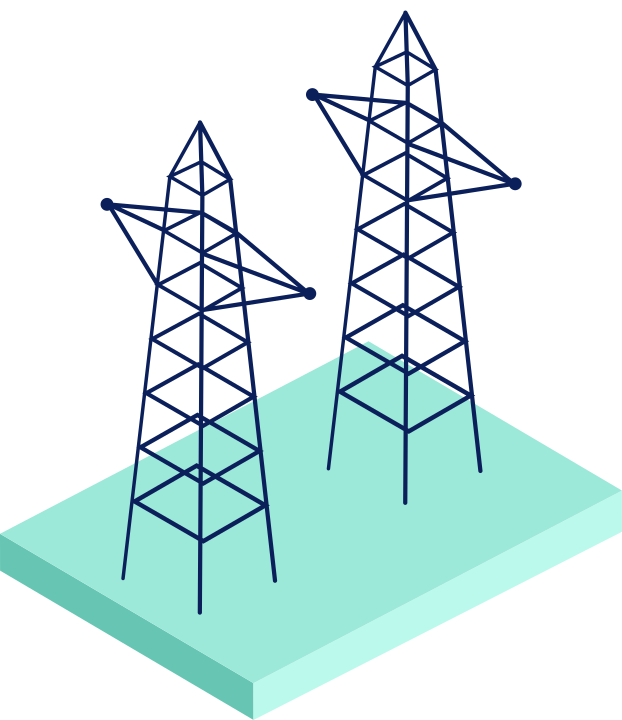
Large Substations

Power Transmission

3p - 12p

per KWh

0.6p+

per KWh

Domestic Generation

Local Distributed Generation

Large Substations

-

Primary Substations

-

Distributed Substations

0.3p - 25p

per KWh

Local Homes & Businesses

28p

per KWh

£ Use of System Charges

Scroll

Large Substations

Power Transmission

3p - 12p

per KWh

0.6p+

per KWh

Domestic Generation

Local Distributed Generation

Large Substations

-

Primary Substations

-

Distributed Substations

0.3p - 25p

per KWh

Local Homes & Businesses

28p

per KWh

Large Substations

Power Transmission

3p - 12p

per KWh

0.6p+

per KWh

Domestic Generation

Local Distributed Generation

Large Substations

-

Primary Substations

-

Distributed Substations

0.3p - 25p

per KWh

Local Homes & Businesses

28p

per KWh

Our Role

MCE Electrical provides end-to-end electrical delivery for BESS projects, ensuring systems are installed safely, compliantly, and ready for grid connection and commercial operation. Our services include HV and LV electrical installation, grid connection works and coordination, protection, control and earthing systems, integration with energy management and control platforms, as well as testing, commissioning and handover. We work closely with developers, DNOs, ICPs and aggregators to ensure projects are technically robust and commercially viable.

Why MCE?

MCE Electrical brings proven experience in complex electrical infrastructure, alongside a strong understanding of grid compliance and connection requirements. Our approach focuses on build quality, safety and long-term reliability, with practical, no-nonsense delivery from design through to energisation. Whether you’re developing a standalone grid-scale battery or integrating BESS into an existing site, MCE Electrical can help you unlock grid revenue opportunities with confidence.

Our Role

MCE Electrical provides end-to-end electrical delivery for BESS projects, ensuring systems are installed safely, compliantly, and ready for grid connection and commercial operation. Our services include HV and LV electrical installation, grid connection works and coordination, protection, control and earthing systems, integration with energy management and control platforms, as well as testing, commissioning and handover. We work closely with developers, DNOs, ICPs and aggregators to ensure projects are technically robust and commercially viable.

Why MCE?

MCE Electrical brings proven experience in complex electrical infrastructure, alongside a strong understanding of grid compliance and connection requirements. Our approach focuses on build quality, safety and long-term reliability, with practical, no-nonsense delivery from design through to energisation. Whether you’re developing a standalone grid-scale battery or integrating BESS into an existing site, MCE Electrical can help you unlock grid revenue opportunities with confidence.

Our Role

MCE Electrical provides end-to-end electrical delivery for BESS projects, ensuring systems are installed safely, compliantly, and ready for grid connection and commercial operation. Our services include HV and LV electrical installation, grid connection works and coordination, protection, control and earthing systems, integration with energy management and control platforms, as well as testing, commissioning and handover. We work closely with developers, DNOs, ICPs and aggregators to ensure projects are technically robust and commercially viable.

Why MCE?

MCE Electrical brings proven experience in complex electrical infrastructure, alongside a strong understanding of grid compliance and connection requirements. Our approach focuses on build quality, safety and long-term reliability, with practical, no-nonsense delivery from design through to energisation. Whether you’re developing a standalone grid-scale battery or integrating BESS into an existing site, MCE Electrical can help you unlock grid revenue opportunities with confidence.